|
|
|
Welcome to the Term 3 edition of the Seriously Social newsletter, where we will share with you all that is on offer for school educators as part of this year’s Social Sciences Week program.
Schools still have time to get involved in Social Sciences Week, with suggestions offered in this newsletter. We would welcome educators to submit introductions that we can share in an effort of promoting this important subject across social media platforms.
Thank you for your continued engagement and we hope that Social Sciences Week is a featured and fantastic event on your school’s 2026 calendar.
Best wishes,
|
|
|
|
|
|
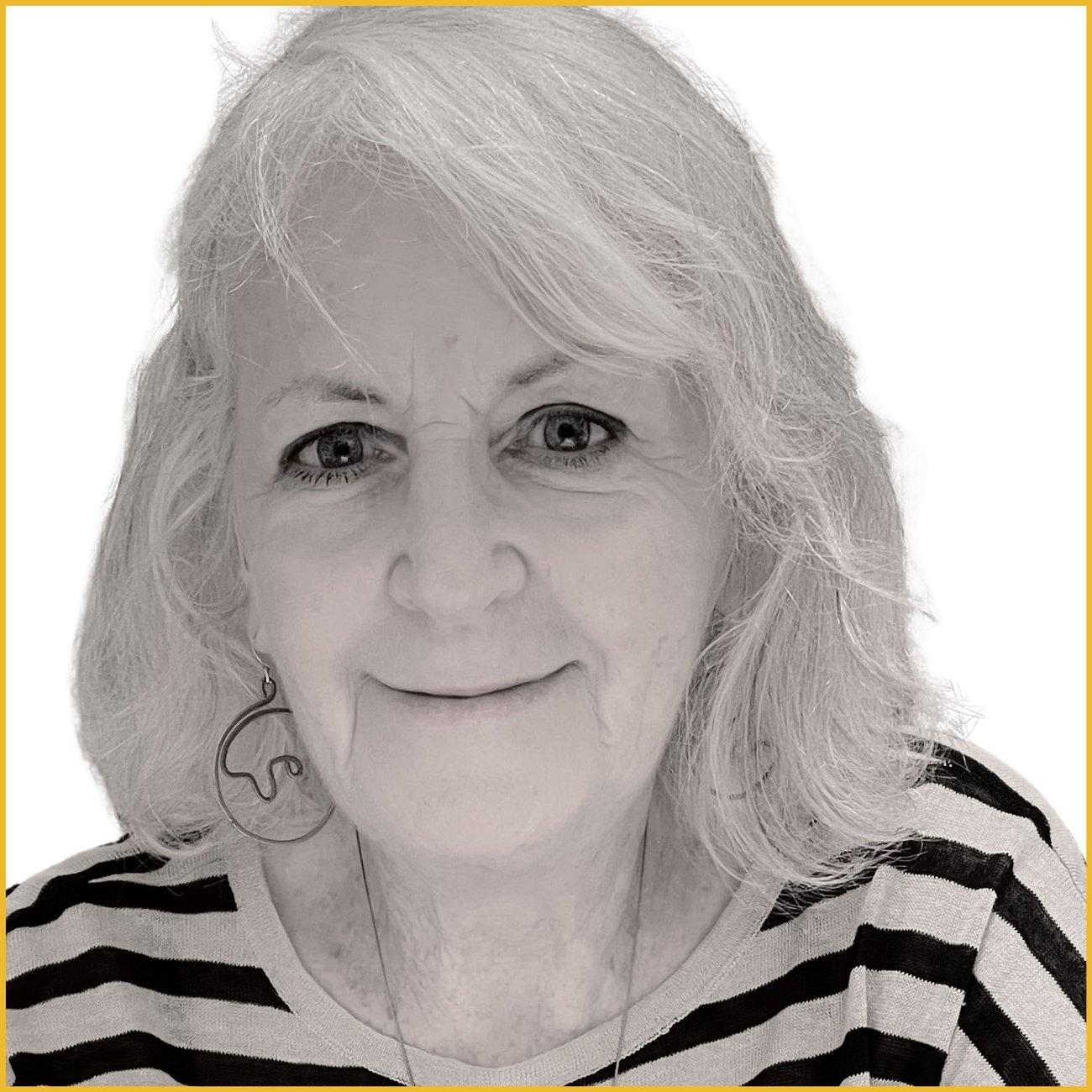
Professor Lyn Yates FASSA
Chair,
Education Committee |
|
|
|
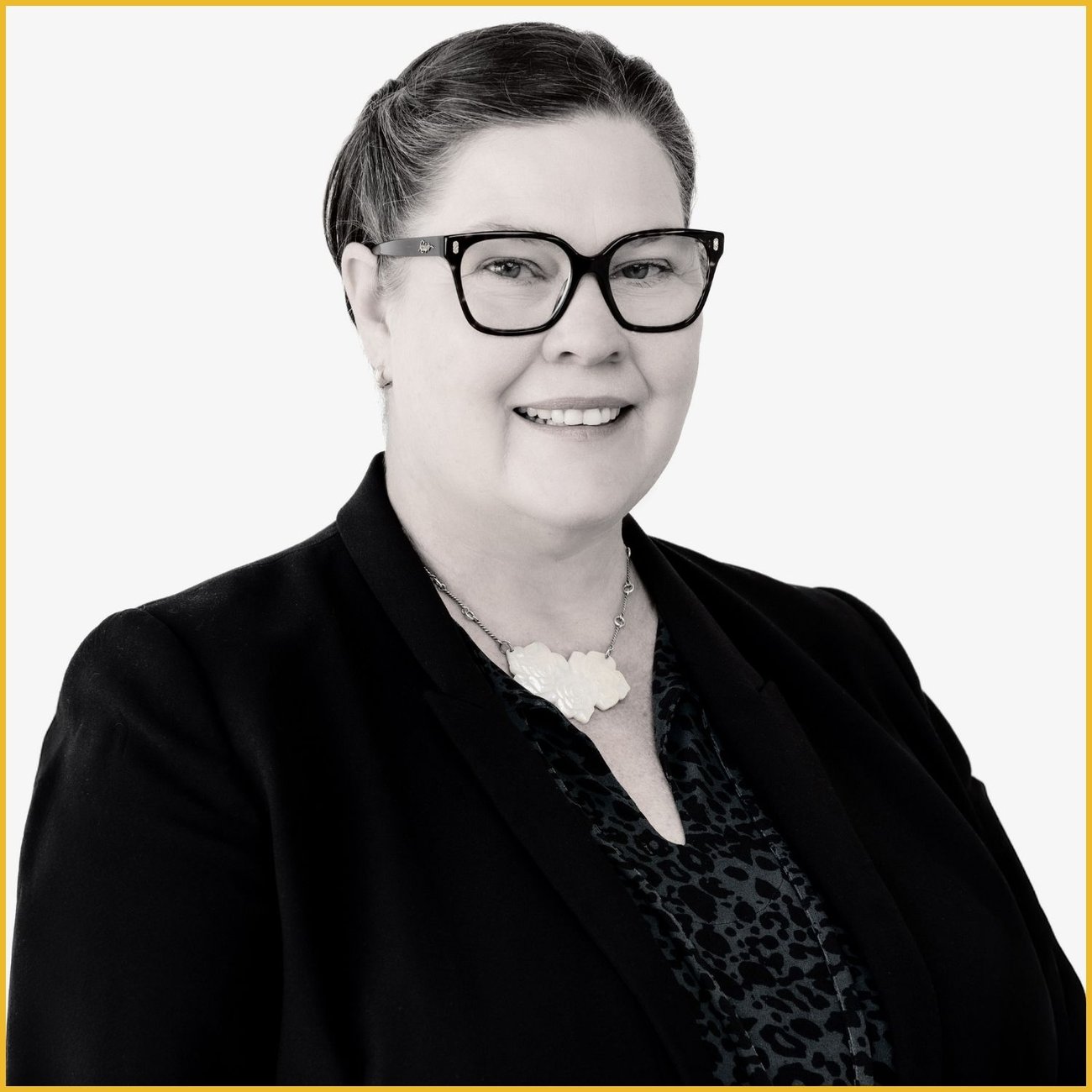
Cindy Bin Tahal
PhD Candidate, M.Ed, B.Ed
Education Director |
|
|
|
|
|
|
|
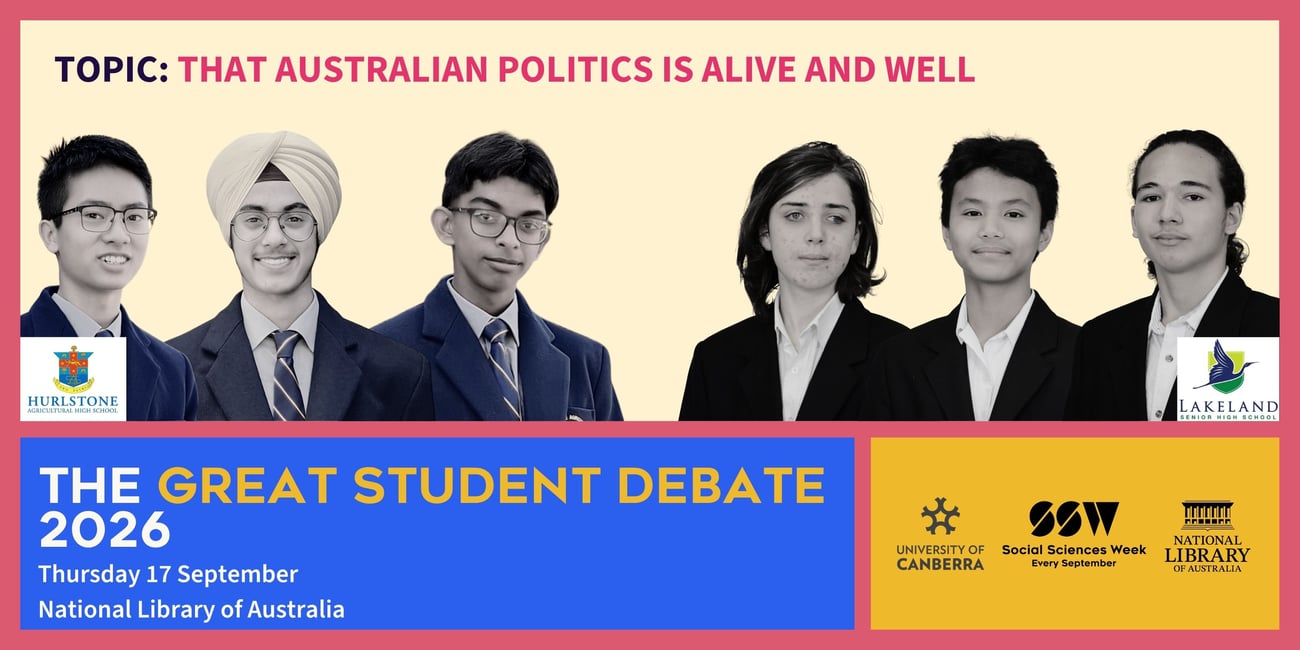
The 2026 Great Student Debate – “That Australian politics is alive and well” will take place on Thursday 17 September at the National Library of Australia. We are delighted to share images of debaters that are due to travel to Canberra from Lakeland Senior High School from Western Australia and Hurlstone Agricultural High School for this event. |
|
|
|
|
|
|
|
Both schools will receive:
The National Library of Australia, University of Canberra and Academy of the Social Sciences in Australia are pleased to collaborate as sponsors of this event |
|
|
|
|
|
|
|
Social Sciences Week: Events for Teachers and Students |
|
|
|
There are plenty of events to interest teachers and students this Social Sciences Week, 12-20 September. We’ve collated some of them here to whet your appetite.
|
|
|
|
Featured Event
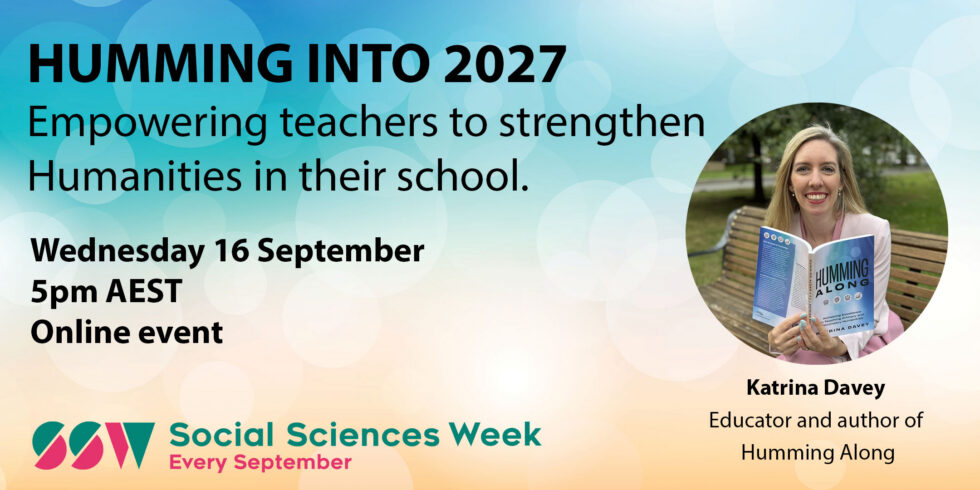
Humming into 2027: Empowering Teachers to Strengthen Humanities in our Schools
|
 |
|
This event is aimed at Humanities and Social Science (HASS) educators across Australia, particularly those in secondary schools. This online webinar will provide practical strategies and advice on faculty collaboration, analysing HASS curriculum and assessment data, refreshing new units and ideas, and how best to upskill staff in the various subject disciplines so that every HASS faculty can start strong in 2027.
Wednesday 16 September
5.00 - 5.45PM AEST
Online
Register for Humming into 2027 here. |
|
|
|
|
|
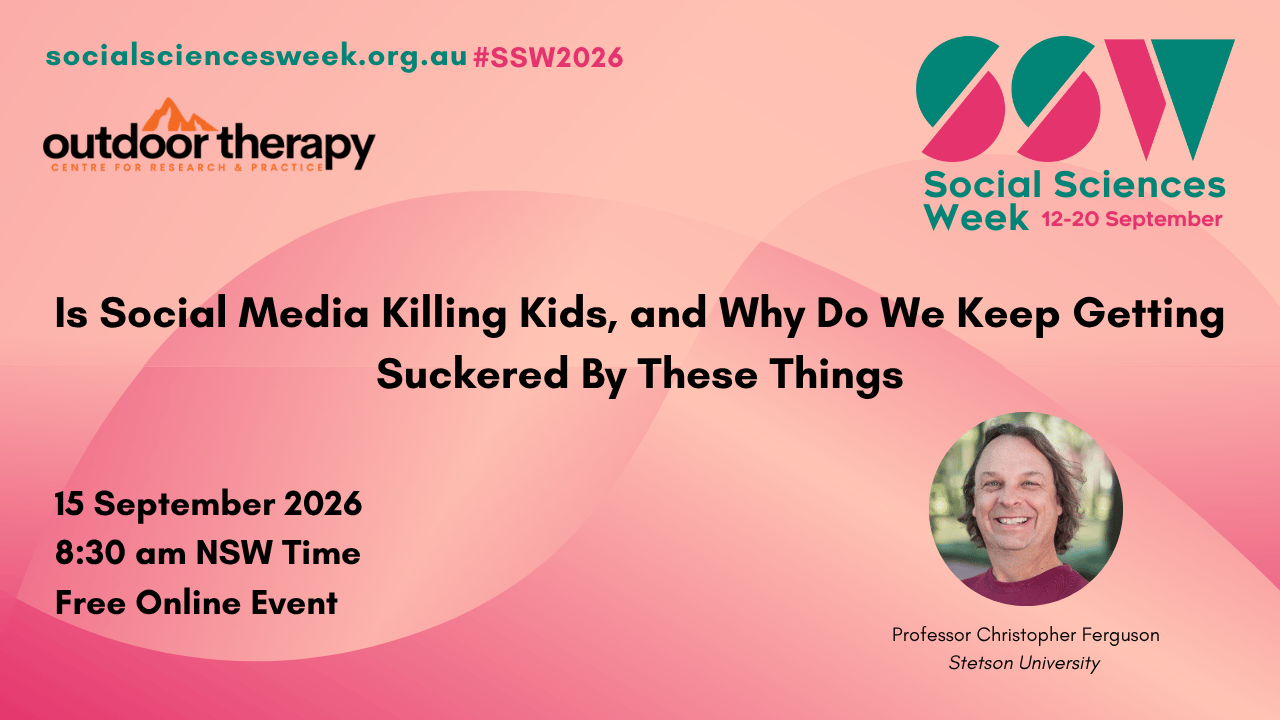
Is Social Media Killing Kids and Why Do We Keep Getting Suckered By These Things?
Tuesday 15 September
8.30 - 9.30AM AEST
Online
Drawing on the available evidence, Dr. Chris Ferguson will explore why alarming narratives about youth and media gain traction, and how they shape public opinion and policy responses, including social media bans. This webinar is a critical reflection on the evidence behind these claims, as well as the broader social and cultural forces that sustain them.
Register for the webinar here. |
|
|
|
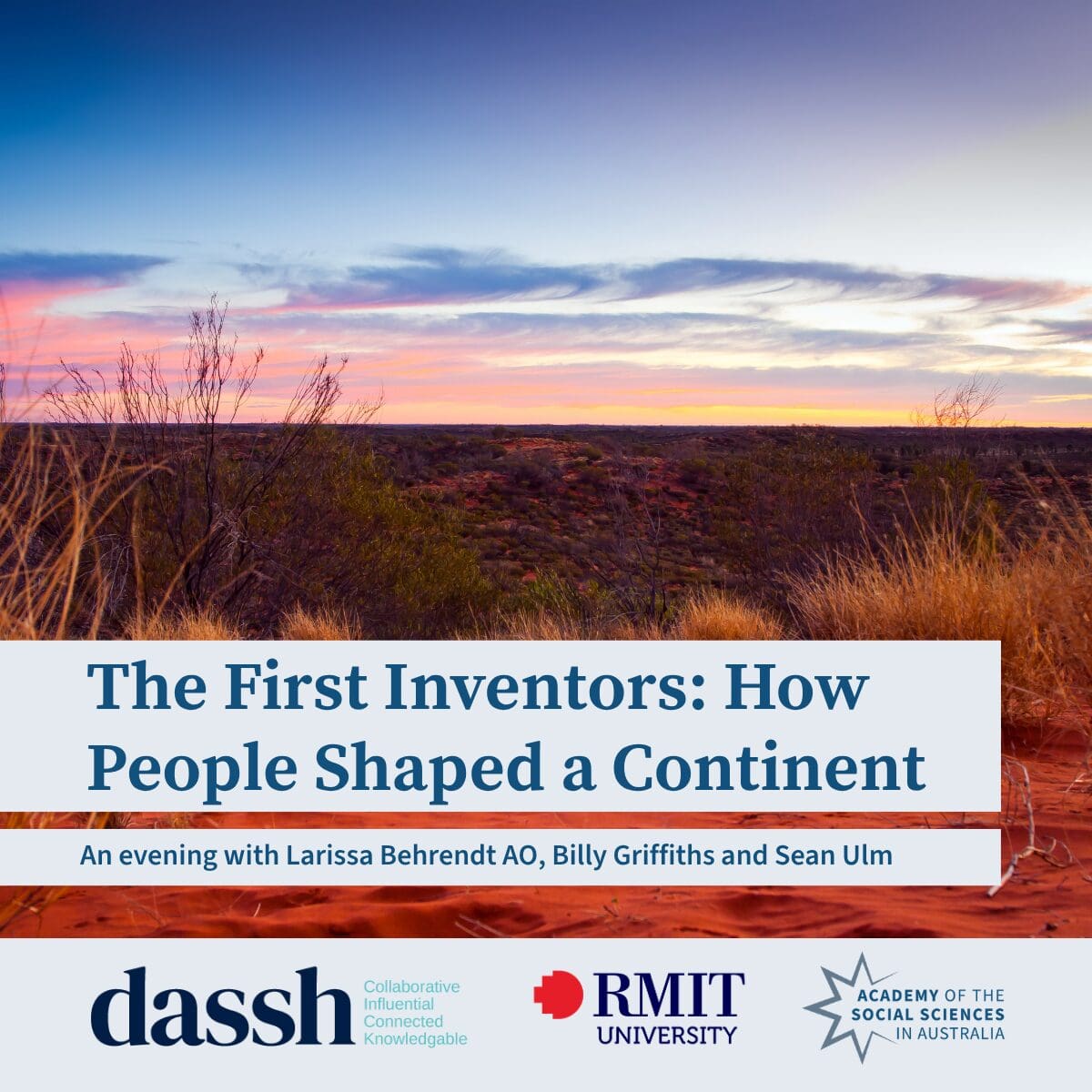
The First Inventors: How People Shaped a Continent
Tuesday 15 September
6.30 - 7.30PM AEST
The Capitol, RMIT University
To celebrate Social Sciences Week, and the research that helps us understand and shape society, RMIT University is proud to present celebrated Eualayai/Gamillaroi author, filmmaker and academic Larissa Behrendt AO, award-winning author and historian Billy Griffiths and one of Australia’s leading archaeologists, Sean Ulm, as they discuss their new book The First Inventors: How People Shaped a Continent.
Register for The First Inventors event here. |
|
|
|
Can Students Defend Their Thinking? Oral Assessment, AI, and Professional Judgment
Tuesday 15 September
11.00 - 1.00PM AEST
Megaflex 3, RMIT University and Online
This interactive workshop invites educators from across disciplines to share positive and challenging experiences of oral assessment, explore what should be assessed, and discuss level benchmarks and potential gatekeeper questions. Participants will also be guided to work collaboratively on devising interactive oral assessment task question sets. The group workshop outcome will be a practical, adaptable framework disseminated to participants. It could be adapted for assessing oral performance fairly, consistently and transparently across diverse disciplinary contexts
Register for this event here. |
|
|
|
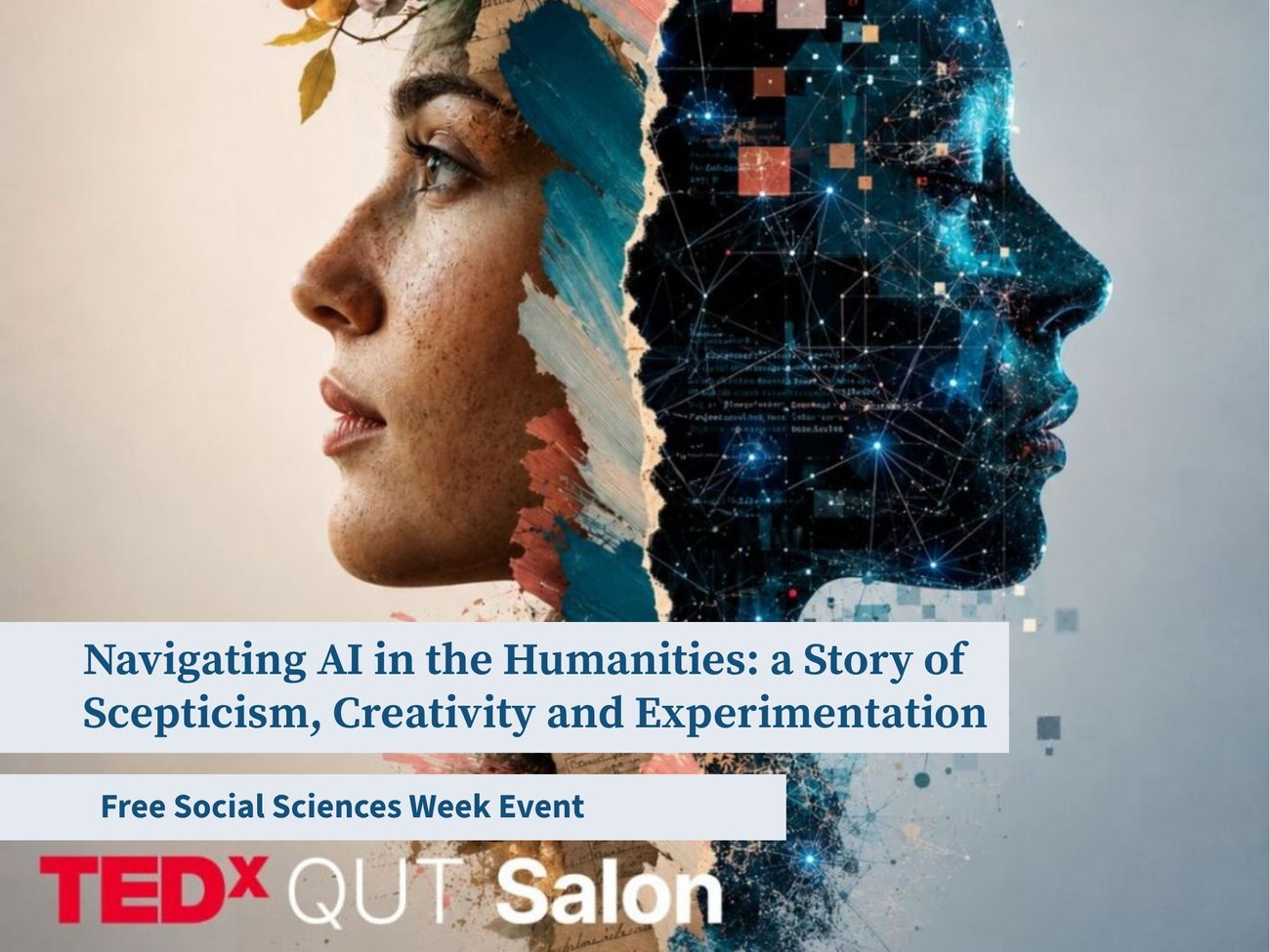
Navigating AI in the Humanities: a Story of Scepticism, Creativity and Experimentation
Thursday 17 September
12.00 - 1.30PM AEST
Old Government House, QUT
This TEDxQUT Salon invites you to move beyond the binary question of whether AI is “good” or “bad” and instead explore the more interesting and complicated questions of how, why, and when we choose to use it.
It explore AI through different disciplinary and personal lenses, considering the possibilities, limitations, opportunities and challenges that emerge when artificial intelligence meets human creativity, scholarship and practice.
Register for TEDxQUT here. |
|
|
|
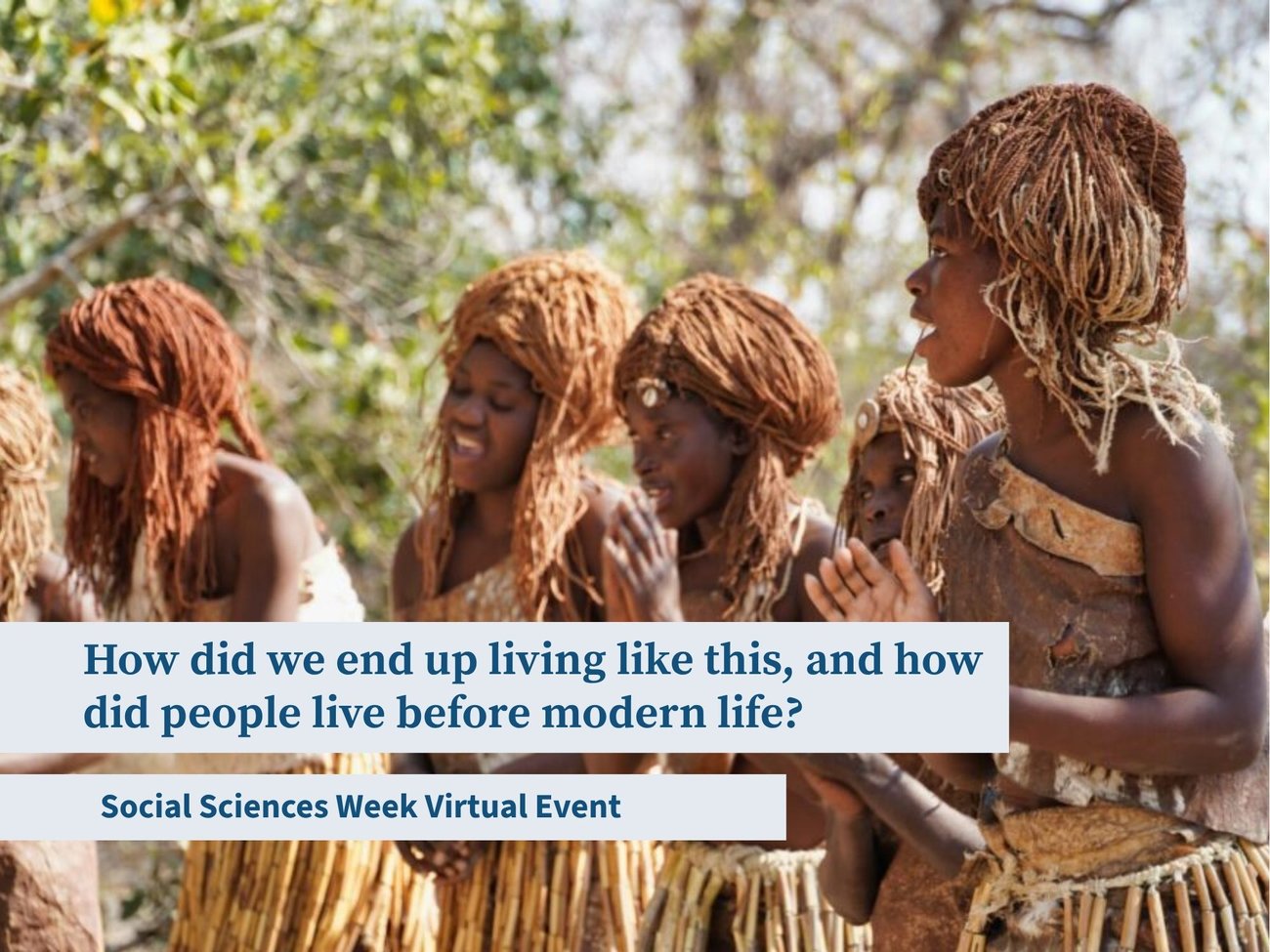
How Did We End Up Living Like This, and how Did People Live Before Modern Life?
Sunday 20 September
4.00 - 5.00PM AEST
The Capitol, RMIT University
This session will cover key aspects of modern societies and compare them with pre-modern perspectives and practices. We will discuss when and how modern societies were formed before then exploring what our ancestors can teach us about how they lived differently and in more sustainable, balanced and nourishing ways.
Register for this virtual event here. |
|
|
|
|
|
Social Sciences Week: Educator Spotlight |
|
|
|
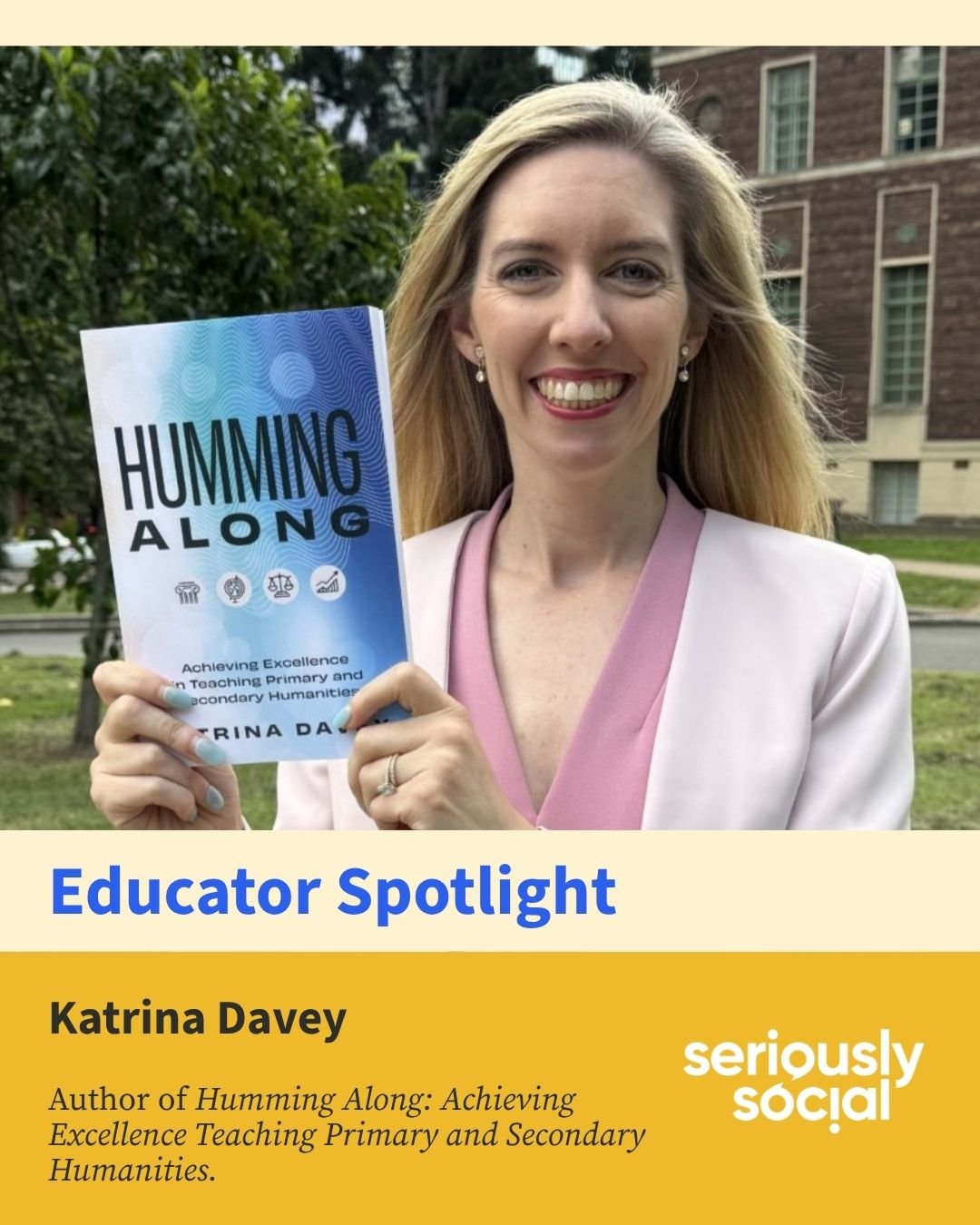
Meet Katrina Davey, author of “Humming Along: Achieving Excellence Teaching Primary and Secondary Humanities”, and host of a special social sciences event for teachers. |
|
|
|
What first inspired you to teach?
I was in Primary school Year 6 and was allocated a peer support buddy in Year 1. I loved planning little arts and crafts activities for us to do each Friday afternoon. Within weeks I had a whole group of Year 1’s wanting to join my activities. What really struck me was that I could see an outgoing and happy side to my buddy, yet she was incredibly shy in front of her teacher. I used to think all the time “if only the teacher could see and hear her true potential.” Mum suggested I could be a teacher and the rest was history!
|
|
|
|
In secondary school History and Geography were the two subjects that quenched my thirst for learning. I simply loved the content and had two remarkable teachers. In those classes, everything seemed truly fascinating, and my childhood love of an atlas was gaining more importance in every lesson. I never enjoyed reading fiction stories in English, but I had a constant sense of wonder when exploring a reference text. It is this sense of wonder that I strive to promote in every Humanities and Social Science class that I now teach. |
|
What is one Social Sciences concept you think every student should understand before they leave school?
An appreciation that all people think and feel differently. This concept is paramount for adolescents. During this stage of their life, they can be exceptionally headstrong, and it is vital that social science assist students in feeling comfortable with hearing and accepting opposing points of view. I hope that students will leave school with an understanding that they will experience and witness a diverse range of traits and emotions throughout life. Hopefully the case studies explored in Social Science continually assist students understanding of perspectives, stakeholders, contradictory beliefs and the importance of diplomacy. Seeing difference in a positive light will significantly shape a young adult’s future outlook on the world and encourage a proactive attitude.
How do you help students connect what they learn in Social Sciences to real life?
Well as a teacher I am known for getting classrooms involved in elaborate historical reenactments at any opportunity. I have a cupboard at home swamped with costumes and accessories for all ages and eras. After all, dressing up removes inhibitions and allows students to be someone else making it memorable. Learning through real-life scenarios and authentic dilemmas where students adopt current day corporate job roles such as data analyst, project manager, policy officer, lawyer etc is vital in secondary years. Such challenges provide a sense of student agency, empowerment and shared responsibility. It enables them to practice social competencies and soft skills like delegation, compromise, adaptability and leadership. Learning is best when it provides an authentic challenge and a lasting memory. Social Sciences is the ideal subject to cater for this type of learning.
If you could take your class anywhere in the world to deepen their learning, where would you go?
This is hard because as a Geography teacher, I instantly thought “well how much do students even know about their own neighbourhood - its cultural heritage, its treasures and challenges?”. However, if I really wanted to immerse students in something different, I think travelling to India would provide an eye-opening experience for Australian students. The rich culture and sense of community, the enormous difference in their way or life and living conditions, the sheer enormity of the population and its diversity would all provide students with a whole new perspective.
What’s one myth about Social Sciences you’d love to debunk?
That it is just general knowledge. Too many educators are placed into the subject because there are gaps in the timetable. So often the executive think anyone can teach it, because its just general knowledge. The Humanities and Social Science curriculum is extremely diverse with four disciplines and can be overwhelming due to the variety of concepts and skills taught. When an out of field teacher is placed in this subject they are getting the load of 4 subjects and will have barely any chance to repeat or hone their understanding of the subject throughout the year.
The Social Sciences are not about general knowledge. Taught well the knowledge learnt should help students understand that humans live with purpose, form relationships to build meaningful lives, can cope and adapt, live interdependently with the environment, understand the cause and effect of their actions and proactively shape their own future. A Social Science educator is building the heart of every student, not just reciting facts and figures from a textbook. The complexity of the subject should not be taken for granted. |
|
|
|
|
|
We want to celebrate YOU!
If you’re a Seriously Social subscriber, we’d love to feature you across our channels.
Send us a photo and a short intro (150 words max) telling us what you love about Seriously Social and why the social sciences matter to you.
Email: info@socialsciences.org.au, marked Attention: Seriously Social
We look forward to sharing your story.
Thank you to those who have already submitted your stories. |
|
|
|
|
|
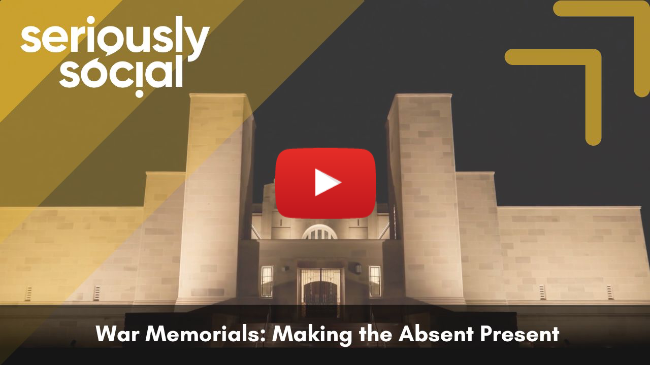
War Memorials: Making the Absent Present
A fifth video resource has been added to the Australia’s War History Seriously Social learning module for years nine and ten students.
In this video, Professor Bruce Scates explains the history of war memorials in Australia and unpacks the meaning and purpose they held for their creators, and for people today.
Find the full learning module here. |
|
|
|
|
|
Get involved in #SSW2026
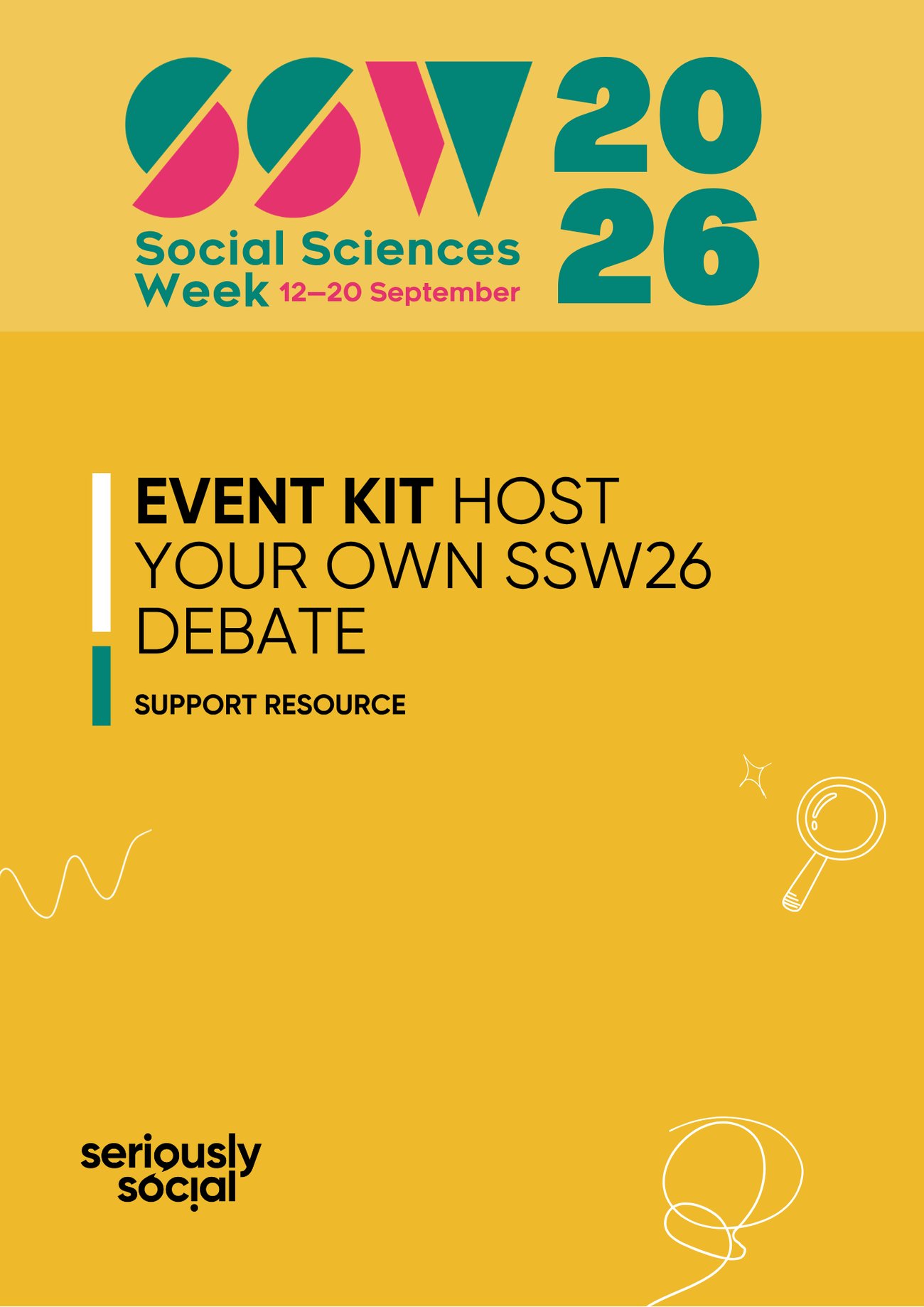
Get your students involved in Social Sciences Week by hosting a debate at your school.
Our new Event Kit for Social Sciences Week 2026 gives you everything you need to make your event a success and includes:
- a step-by-step guide on preparing the debate,
- tips for extra activities to make your event memorable,
- a printable customisable poster to help advertise the event around your school,
- a printable certificate for participants.
This resource is free to view and download.
|
|
|
|
|
|
Do you follow Seriously Social on Linkedin, Youtube or Facebook?
Interactions from our followers ensure that more people see the free educational social science resources that we offer.
If you see us in your feed, please give us a like or share and help us to spread the word!
Click below to follow and share.
|
|
|
|
|