|
|
|
Dear Fellows and friends,
This month’s newsletter is full of funding opportunities and activities that may be relevant to you or your colleagues or students. I encourage you to share these with your networks, especially the Rechnitz Fund Grant Program, supporting Aboriginal and Torres Strait Islander researchers. Applications close on Friday 17 April.
Also open for applications are the Australia–France Social Science Collaborative Workshops Program and Round 2 of the Visiting Fellowships and the Pacific Social Sciences Academic Grants, as part of the Australia–France Indo-Pacific Studies (AFIPS) program.
Congratulations to Academy Fellow Professor Bruce Preston, an acclaimed macro-economist, who has been recently appointed by the Treasurer to the Reserve Bank of Australia’s Monetary Policy Board (where he joins Fellow Professor Renee Fry-McKibbon) as part of a move to increase the RBA’s expertise. Read more here.
Congratulations also to Academy Fellow Professor Bronwyn Fredericks who has been named as a 2026 Fulbright Scholar in recognition of her leadership in social justice and improving Indigenous health and education outcomes. Read more here.
The Academy’s Seriously Social school program will launch a new package of Australia’s War History teaching resources, funded through the Department of Veterans Affairs, at the Anzac Memorial in Sydney on 9 March. Thank you to the Fellows who have contributed to these resources, which align with the Australian Curriculum in History for years 9 and 10. All Seriously Social school program materials are freely available and can be viewed here.
The Academy’s state and territory branch events are a great way to connect with local Fellows and hear about their work over a meal or a glass of wine. Keep an eye on your inbox for details about Fellows events in your state and contact info@socialsciences.org.au if you aren’t receiving this information. A reminder to ACT and Queensland Fellows to register for upcoming dinners in Canberra on 10 March and Brisbane on 19 March.
Thank you for your continued commitment to the Academy and its activities. Fellows are reminded to keep the Academy informed of your publications and achievements via social media or by emailing info@socialsciences.org.au.
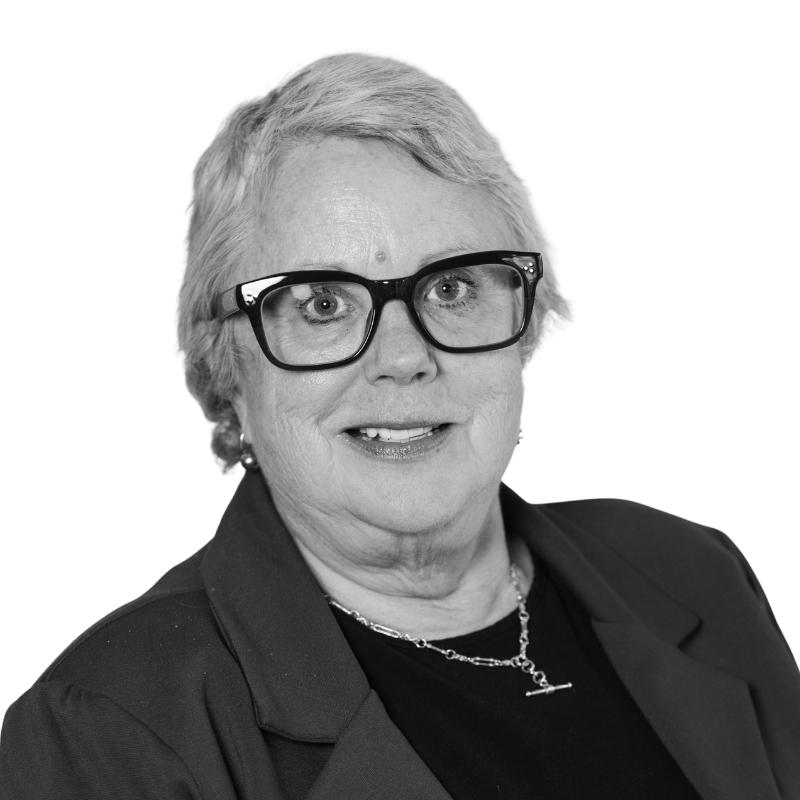
Kate Darian-Smith
President |
|
|
|
|
|
|
|
Are you on Bluesky?
We would love to connect!
The Academy is building a profile on Bluesky Social.
Click here to visit and follow - help us find our people! |
|
|
|
|
|
Committee Vacancy |
|
The Academy invites expressions of interest from Fellows to join its Education Committee. The purpose of the Academy Education Committee is to provide the Academy’s Executive Committee with advice on the development of the Academy’s Seriously Social school program, and to oversee the development of resources, contribute expertise, identify stakeholders, networks and potentially partnership in support of the program.
For more information about the school program, click here.
To register your interest or discuss the role, please contact the Education Director cindy.bintahal@socialsciences.org.au, CEO chris.hatherly@socialsciences.org.au or the Committee Chair, Professor Lyn Yates.
|
|
|
|
|
|
|
International News |
|
2nd Australia–France Track 1.5 Strategic Dialogue held in Paris - 27-28 January 2026 |
|
On 27 & 28 January, the second Australia–France Track 1.5 Strategic Dialogue was held in Paris, jointly organised by ANU's National Security College and the Fondation pour la Recherche Stratégique with support from the Academy’s DFAT-funded Australia–France Indo-Pacific Studies (AFIPS) program.
The discussions brought together senior officials, leading researchers and policy practitioners to examine the implications of intensifying great-power competition for Europe and the Indo-Pacific. Across these themes, participants explored how Australia and France can deepen cooperation to safeguard strategic autonomy and reinforce a rules-based international order.
Read the joint statement here. |
|
|
|
|
|
|
|
Save the Date: Social Sciences Week 2026 |
 |
|
|
|
|
|
|
Grants |
|
Rechnitz Fund Grant Program open for applications
Applications are now open for the Academy’s Rechnitz Fund Grant Program — with grants of up to $20,000 to support early- and mid-career Aboriginal and Torres Strait Islander researchers across the social sciences. Applications close Friday 17 April.
This will be the final round of grants under current funding arrangements, and the Academy looks forward to announcing new funding recipients, and celebrating the successes of previous recipients later in the year.
Learn more and apply here. |
|
|
|
Australia–France Social Science Collaborative Workshops Program open for applications
Applications are open for collaborative workshops between Australian and French social science researchers, with priority for early and mid-career scholars and topics relevant to the Pacific and the wider Indo-Pacific.
The program is run as a partnership between the Academy and the Embassy of France in Australia, and will support two workshops per year with funding up to $10,000.
Applications are open until 10 March 2026, please find full details and eligibility criteria here. |
|
|
|
Australia-France Indo-Pacific Studies Program: Pacific Social Sciences Academic Grants (closing end April) and Visiting Fellowships (closing end-May).
Applications are open to scholars from any Indo-Pacific country and from all social science disciplines. Academy Fellows and stakeholders are welcome to share and circulate information related to this opportunity within their networks to help ensure broad visibility and engagement, especially with ECRs.
Further details, including updated deadlines and eligibility criteria, are available here. |
|
|
|
Australian Academy of the Humanities 2026 Awards and Grants
The Australian Academy of the Humanities has opened nominations for its Max Crawford Medal, John Mulvaney Fellowship for Aboriginal and Torres Strait Islander researchers, Travelling Fellowships, Publication Subsidies and Medal for Excellence in Translation.
Applications close 29 March 2026. Applicants can apply on the Australian Academy of the Humanities website here. |
|
|
|
2027 Fellowships at the National Library of Australia
Open to researchers in various fields and disciplines, Fellowships at the National Library of Australia offer financial and research support for dedicated time using our collections. Find out more here. |
|
|
|
|
|
|
|
|
FEATURED FELLOW |
|
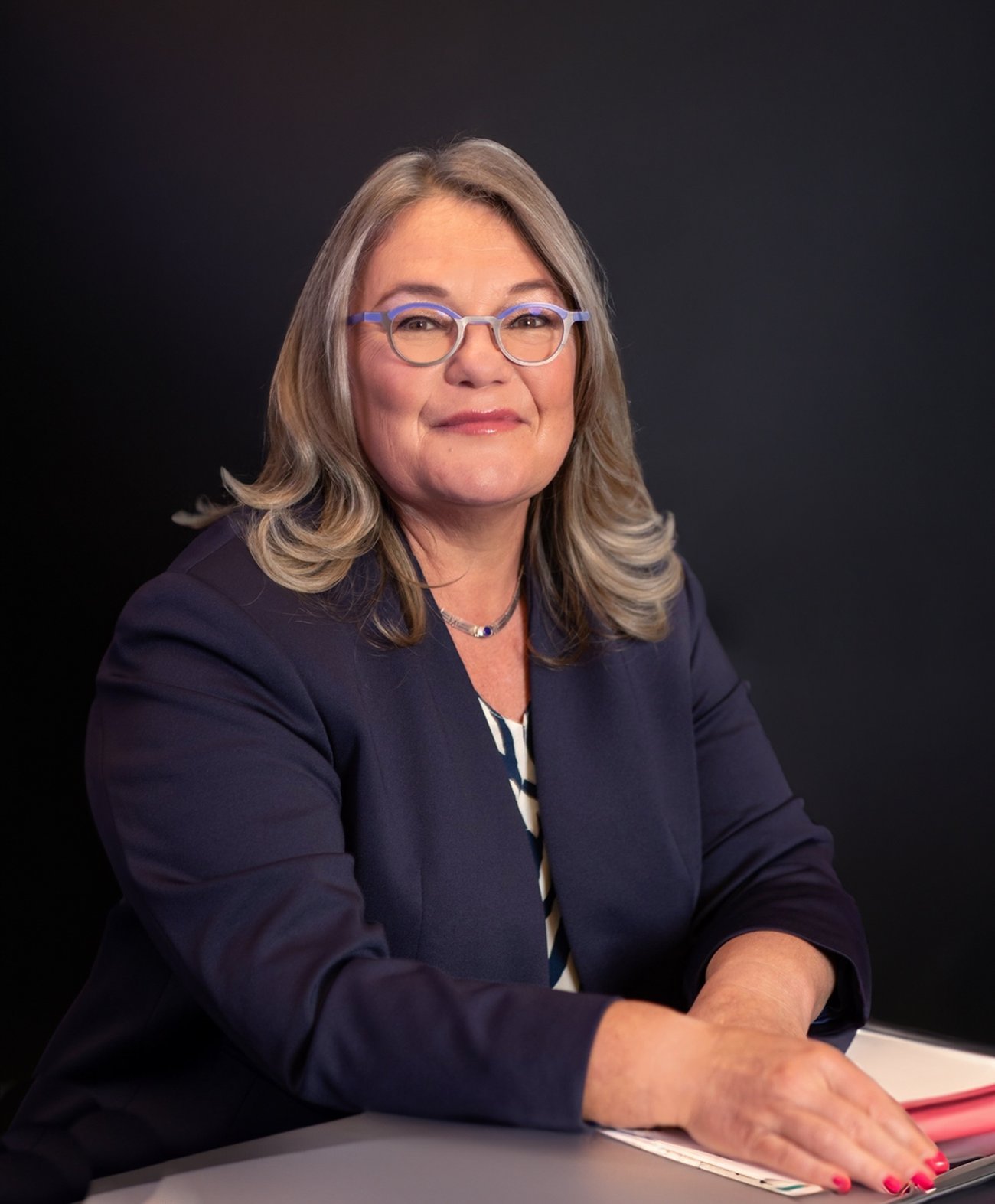
Professor Paula Jarzabkowski |
|
|
|
|
|
Discipline: Commerce, Management, Tourism and Services
Affiliation: The University of Queensland
|
|
|
|
What initially drew you to your field of study? |
|
|
What role do the social sciences play in your work?
|
|
|
|
I study disaster risk financing — essentially, how we pay to rebuild more resiliently after disasters. A lot of my work focuses on insurance gaps: where insurance helps people recover after events like floods, cyclones, fires, earthquakes, and where it doesn’t. And importantly, what happens to people when they can’t access funding at all.
I’ve been exploring these issues around the world for nearly two decades. What drew me in was actually a grant opportunity early in my career that allowed me to work closely with the global reinsurance sector at a time when the industry was undergoing significant change. That experience opened my eyes to just how crucial this field is for people’s lives, for social stability, and for equity. Once I started, I realised the scale and importance of these challenges — and I’ve been committed ever since. |
|
|
I am a social scientist. I’m a Professor of Strategy in a business school, and business schools are inherently interdisciplinary — we draw from economics, psychology, sociology, and management.
Social science is fundamental to how I understand the world. I use sociological theories of practice to make sense of how people act, how systems function, and why “solutions” work or don’t work in real contexts. What could be more important than understanding the social world? Every plan, every policy, every technical solution ultimately has to operate within society. For me, social sciences are everything.
|
|
|
|
What issues keep you awake at night? |
|
One thing is the gap between good scientific results and real world impact. You can produce research that you know would be useful, but getting it into practice is incredibly difficult. Policymaking depends on political will, competing priorities, and funding constraints.
So I often find myself wondering: How do I keep this evidence in front of decisionmakers long enough for it to matter? They’re not always ready to act when I have results, but one day they might be — and I want the work to be there when that window opens. Staying relevant to policy, and maintaining that connection, is one of the hardest parts of what I do.
|
|
What should your field of study be doing more of right now? |
|
|
|
We need to work more interdisciplinarily. Academia is traditionally organised into strict disciplines, which makes collaborative work difficult. But the problems we’re trying to solve — disaster incidence, recovery, resilience — are multilayered. They cut across engineering, planning, sociology, economics, psychology, and environmental science.
Complex problems require integrated thinking, and our academic structures haven’t quite caught up with that reality. We need to make interdisciplinary work easier, not harder.
|
|
Where is your happy place? |
|
One of the beautiful things about living in Queensland is the outdoors. My happy place is being outside — cycling, camping, swimming, anything in nature. Nature is paradoxical: it’s the source of many disasters, partially because of what we’ve done to it, but it’s also a powerful source of renewal. That’s where I reset.
|
|
What is your desert island book, song, or movie? |
|
|
|
|
|
|
|
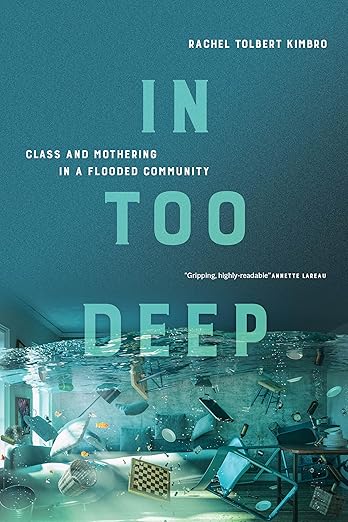
It’s hard to pick just one, but a book that has stayed with me is In Too Deep. It’s a sociological narrative following 35 middle‑class women in Houston who experience three consecutive years of catastrophic flooding, including the devastating 2017 event.
The book shows why people don’t leave disaster‑prone places — they’re “in too deep.” Their homes, schools, friendships, and communities anchor them. It’s beautifully written and deeply insightful, and it helps explain decisions that might otherwise seem irrational. It’s probably my desert‑island — or perhaps flooded‑island — book.
. |
|
|
|
|
|
|
|
|
ATTEND |
|
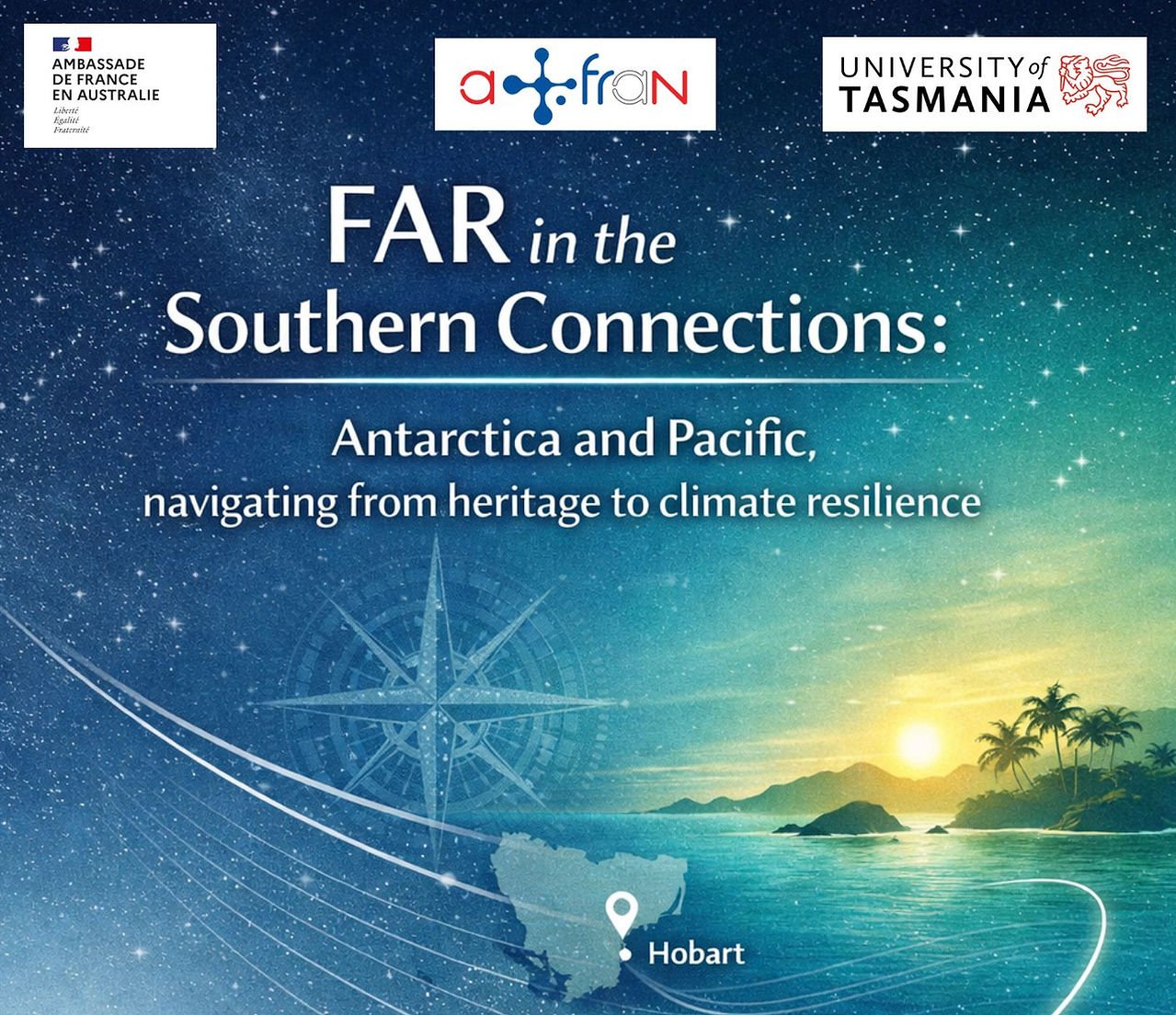
The Australian-French Association for Research and Innovation (AFRAN) is pleased to announce the FAR in the Southern Connections: Antarctica and Pacific, navigating from heritage to climate resilience, which will take place in Hobart, Tasmania, from 4 to 6 March 2026.
The program will cover Antarctic biodiversity protection, ocean governance, Franco-Australian cooperation in Antarctic research and Southern Ocean governance and the strategic role of Hobart as a gateway between Antarctica and the Pacific.
Further information, including the draft program and registration details, is available here.
|
 |
|
|
|
|
|
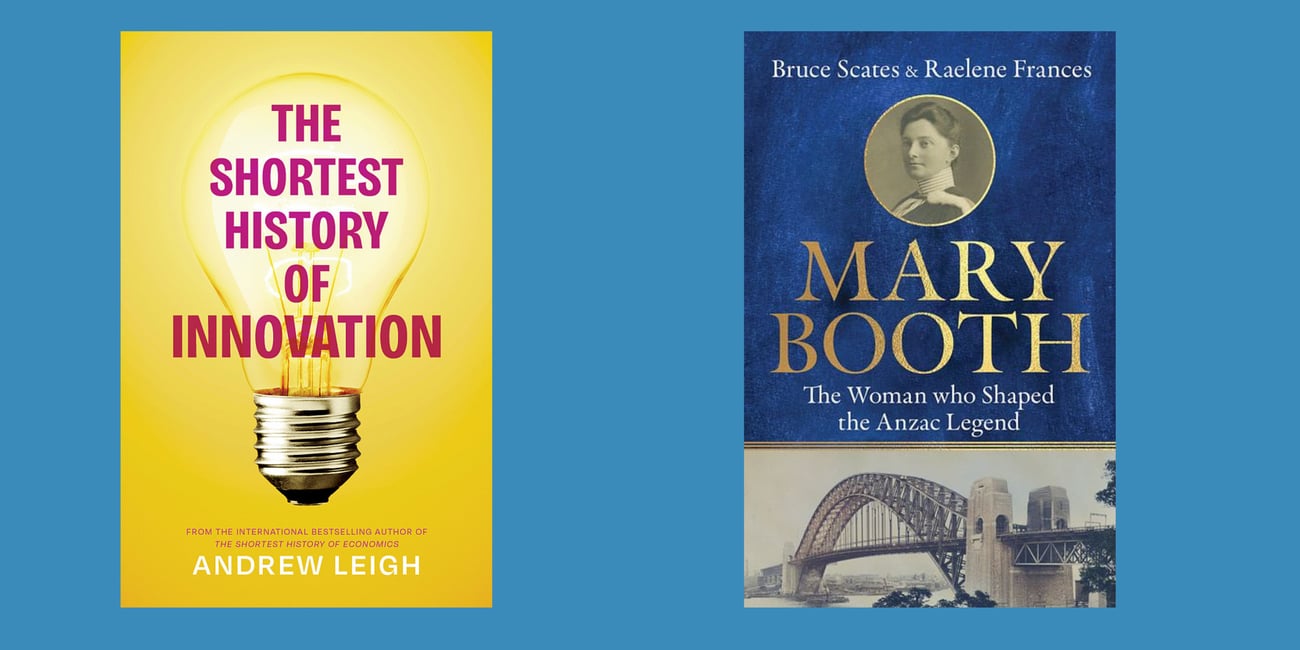
The Shortest History of Innovation
Author: The Hon Dr Andrew Leigh FASSA
From the wheel to gene editing, new ideas shape our world.
In this dazzling, surprising and always entertaining book, bestselling author Andrew Leigh tells the story of innovation.
Find it here. |
|
|
Mary Booth: The Woman who Shaped the Anzac Legend
Authors: Emeritus Professor Rae Frances AM FASSA and Professor Bruce Scates FASSA
The compelling story of a forgotten feminist and the nation she helped build.
Find it here.
|
|
|
 |
|
|
|
CLICK |
|
|
|
|
|
|
|
|
|
Have you seen Socium?
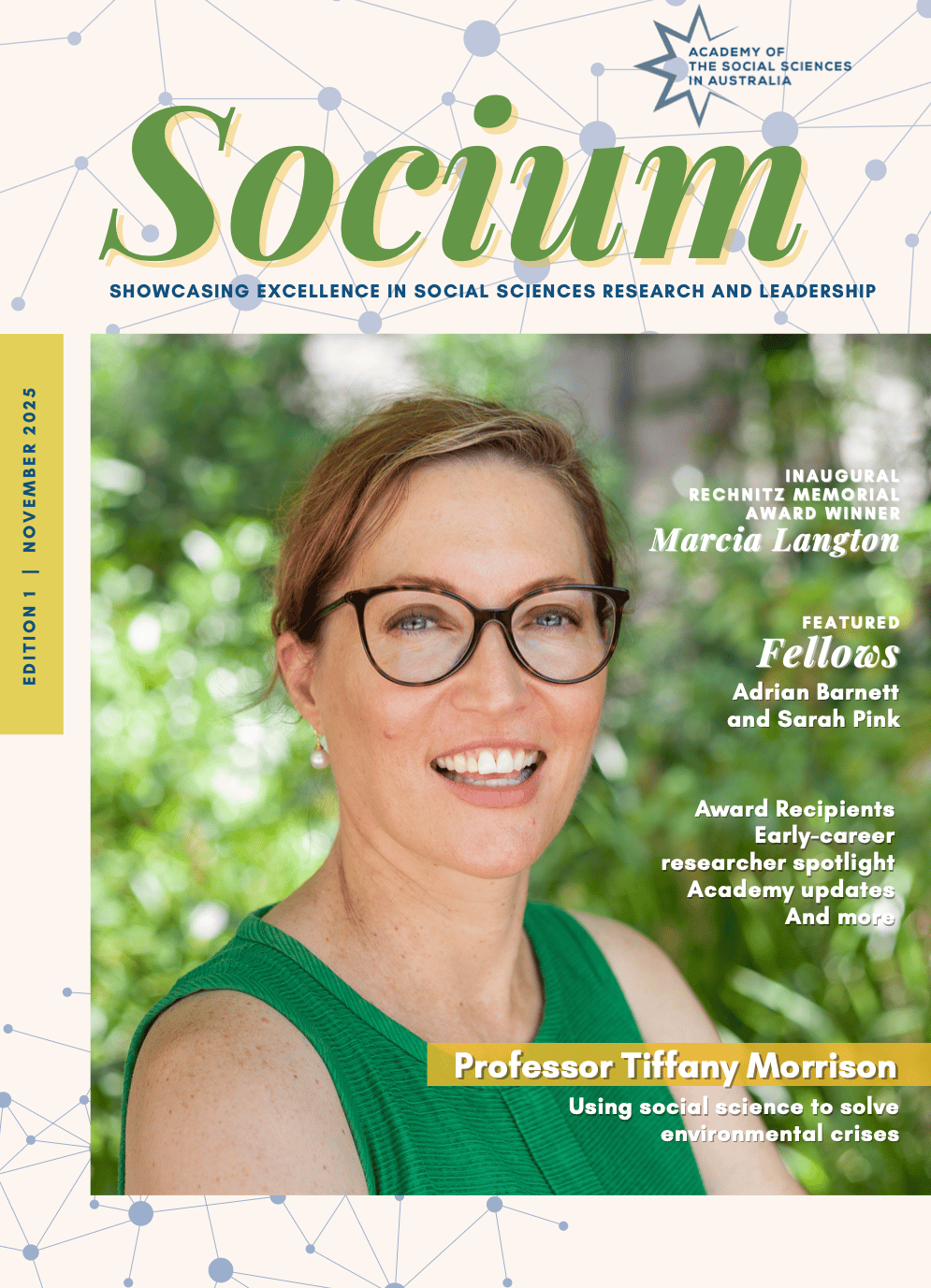
The Academy’s new bi-annual magazine Socium was posted to all Academy Fellows in November last year. If you have not received your copy, please contact the National Office via email at fellowship@socialsciences.org.au to ensure we have the correct mailing address listed.
The magazine is also available as a digital download here. |
|
|
|
|
|
|
|
|
|
|
The Academy of the Social Sciences in Australia acknowledges Aboriginal and Torres Strait Islander peoples as the First Peoples of Australia.
We acknowledge and pay our respects to the traditional owners of the land on which our national office is located, the Ngunnawal and Ngambri peoples, and
to their elders past and present. |
|
|
|
|
|
|